Maintenance & DIY
Attic Insulation: The Least Exciting Upgrade With the Best Payback
Nobody shows off their attic insulation at a dinner party. But dollar for dollar, almost nothing you can do to a house beats it — heat rises, and in an under-insulated home you're paying to send it through the roof, in both senses.
R-value, in plain English
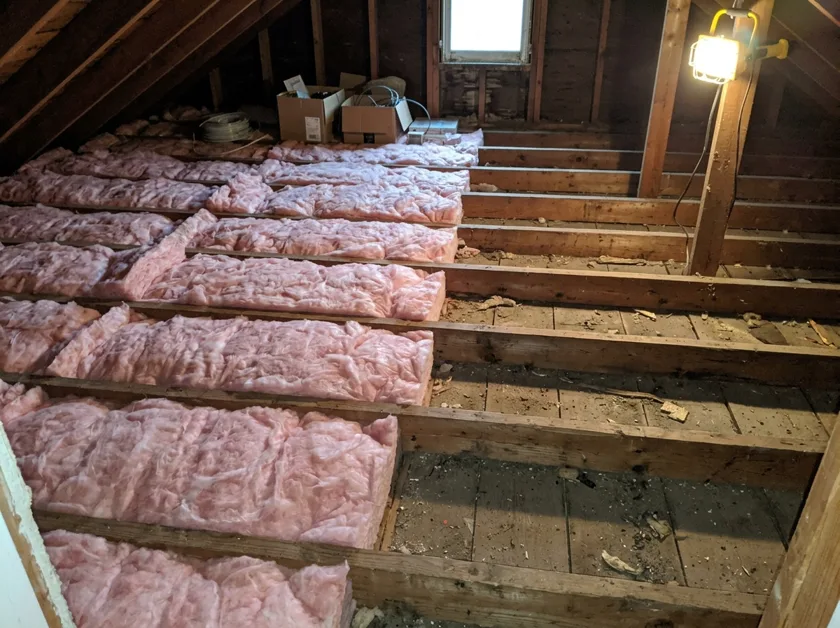
R-value is just resistance to heat flow — higher number, better blanket. Most US homes should have attic insulation somewhere between R-38 and R-60 depending on climate. Here's the eyeball test that skips the math: go look in your attic. If you can see the tops of the floor joists, you don't have enough. That's it. That's the inspection.
What it costs in 2026
- DIY batts or blown-in (rented blower): $500 – $1,200 for a typical attic
- Professional blown-in: $1,500 – $3,500
- Air-sealing first (the pro move): add $300 – $800 to seal gaps around lights, pipes and the attic hatch before covering everything up
The payback math
Heating and cooling is roughly half a home's energy bill. Taking a poorly insulated attic up to spec commonly trims total energy costs by 10 – 20%. On a $3,000-a-year energy bill, that's $300 – $600 a year — meaning a pro job pays for itself in roughly 3 – 7 years, then keeps paying for decades. Very few upgrades in this hobby have math that clean.
DIY or pro?
Topping up open, accessible attics with batts is honest DIY — dusty, itchy, unglamorous, fine. Hire it out when the job involves blown-in over a large area, air-sealing, kneewall spaces, or any sign of the things that must be fixed first: roof leaks, knob-and-tube wiring, or bathroom fans venting into the attic instead of outside. Insulating over a problem seals the problem in.